
2021 LINCOLN Aviator Recalls & Safety Issues
Official recalls, technical service bulletins (TSBs), and safety issues from the National Highway Traffic Safety Administration (NHTSA).
VIN Decoder
As an Amazon Associate, ForCar.org earns from qualifying purchases.
All Recalls
Ford Motor Company (Ford) is recalling certain 2021 Explorer and Lincoln Aviator vehicles. Incorrect rear suspension module components may have been installed due to a labeling error.
NHTSA 21V870000Ford Motor Company (Ford) is recalling certain 2020-2021 Explorer and Lincoln Aviator vehicles. The right hand motor mount fasteners may have been incorrectly tightened, and may loosen over time.
NHTSA 20V788000Ford Motor Company (Ford) is recalling certain 2020-2021 Explorer, Lincoln Corsair, and Lincoln Aviator vehicles equipped with 360-degree cameras. The video output may fail, preventing the rearview camera image from displaying.
NHTSA 21V735000Ford Motor Company (Ford) is recalling certain 2020-2021 Lincoln Aviator vehicles. The image processing module may be unable to provide video feed to the display, which could result in a loss of the backup camera image. As such, these vehicles fail to comply with the requirements of the Federal Motor Vehicle Safety Standard number 111, "Rear Visibility."
NHTSA 21V223000Ford Motor Company (Ford) is recalling certain 2021 Lincoln Aviator vehicles. The steering knuckles may have been manufactured improperly.
NHTSA 20V726000Ford Motor Company (Ford) is recalling certain 2021 Explorer and Lincoln Aviator vehicles. The side air bag attachment weld studs could detach during the deployment of the side air bag, resulting in an improper deployment. As such, these vehicles fail to comply with the requirements of Federal Motor Vehicle Safety Standard 214, "Side Impact Protection".
NHTSA 21V652000Ford Motor Company (Ford) is recalling certain 2020-2021 Lincoln Aviator vehicles equipped with 3.0L gasoline engines. The wire harness may not be secured properly, possibly contacting the air conditioning (A/C) compressor pulley, and resulting in damage to electrical wires, or the A/C compressor drive belt.
NHTSA 21V534000Ford Motor Company (Ford) is recalling certain 2020-2023 Lincoln Aviator and 2020-2022 Lincoln Corsair vehicles equipped with a Revel Audio System. When the driver's seat belt is not buckled and the vehicle is started, the seat belt warning system may activate the audible warning chime for an insufficient amount of time of less than 4 seconds. As such, these vehicles fail to comply with the requirements of Federal Motor Vehicle Safety Standard number 208, "Occupant Crash Protection."
NHTSA 22V953000Ford Motor Company (Ford) is recalling certain 2020-2023 Explorer, Lincoln Aviator, and 2020-2022 Lincoln Corsair vehicles equipped with a 360-degree camera. The video output may fail, preventing the rearview camera image from displaying.
NHTSA 23V022000Ford Motor Company (Ford) is recalling certain 2020-2023 Explorer, Lincoln Aviator, and 2020-2022 Lincoln Corsair vehicles equipped with a 360-degree camera. The video output may fail, preventing the rearview camera image from displaying.
NHTSA 23V342000Ford Motor Company (Ford) is recalling certain 2020-2023 Lincoln Aviator, 2018-2021 Lincoln Navigator, 2022-2023 Ford Transit, and 2021 Ford Bronco vehicles. The rearview camera, or 360-degree view camera if equipped, may not display a rearview image when the vehicle is placed in reverse.
NHTSA 23V598000Ford Motor Company (Ford) is recalling certain 2020-2022 Lincoln Aviator and Ford Explorer vehicles equipped with 3.0L PHEV engines. A manufacturing defect in one or more of the high voltage battery cells may result in an internal short circuit and battery failure.
NHTSA 23V626000Ford Motor Company (Ford) is recalling certain 2020-2024 Lincoln Aviator vehicles. The accessory protocol image module (APIM) can be affected by electromagnetic interference with a cell phone in the vehicle, causing the rearview camera image to flicker or become distorted.
NHTSA 24V368000Ford Motor Company (Ford) is recalling certain 2021-2022 Bronco, F-150, Edge, Explorer, Lincoln Nautilus, and Lincoln Aviator vehicles equipped with either a 2.7L or 3.0L Nano EcoBoost engine. The engine intake valves may break while driving, which can result in engine failure and a loss of drive power.
NHTSA 24V635000Ford Motor Company (Ford) is recalling certain 2020-2025 Explorer, Lincoln Aviator, 2020-2024 Escape, Lincoln Corsair, 2018-2024 F-150, Expedition and Lincoln Navigator vehicles. The air bag warning label may be missing from the dashboard. As such, these vehicles fail to comply with the requirement Federal Motor Vehicle Safety Standard number 208, "Occupant Crash Protection."
NHTSA 24V852000Ford Motor Company (Ford) is recalling certain 2020-2021 Explorer and Aviator vehicles. The seat belt buckle anchor bolts at one or more seating positions may be improperly secured. Additionally, vehicles may have an improperly secured seat belt retractor anchor bolt and/or seat belt anchor bolt at the second-row center seating position, if equipped.
NHTSA 25V093000Ford Motor Company (Ford) is recalling certain 2020-2023 Explorer, Lincoln Aviator, and 2020-2022 Lincoln Corsair vehicles previously repaired incorrectly under recall number 23V-342. The video output may fail, preventing the rearview camera image from displaying.
NHTSA 25V159000Ford Motor Company (Ford) is recalling certain 2020-2023 Lincoln Aviator and Lincoln Corsair vehicles equipped with a Revel Audio System that were repaired incorrectly under recall 22V-953. When the driver's seat belt is not buckled and the vehicle is started, the seat belt warning system may activate the audible warning chime for an insufficient amount of time of less than 4 seconds. As such, these vehicles fail to comply with the requirements of Federal Motor Vehicle Safety Standard number 208, "Occupant Crash Protection."
NHTSA 25V338000Ford Motor Company (Ford) is recalling certain 2020-2021 Lincoln Aviator vehicles equipped with 3.0L PHEV engines that were repaired incorrectly under recall 23V626. A manufacturing defect in one or more of the high voltage battery cells may result in an internal short circuit and battery failure.
NHTSA 25V349000Ford Motor Company (Ford) is recalling certain 2020-2025 Aviator, and Explorer vehicles. The switch for the easy-entry second-row outer seats may bind or stick, resulting in the seats unlatching, folding, or sliding unexpectedly while driving.
NHTSA 25V393000Ford Motor Company (Ford) is recalling certain 2020-2025 Aviator vehicles. The rear door window bars and C-pillar trim may have insufficient adhesive bonding, which can allow the trim to detach from the vehicle.
NHTSA 25V407000Ford Motor Company (Ford) is recalling certain 2018-2022 Transit Connect, 2019-2020 MKZ, MKX, Edge, Continental, F-150, Nautilus, Fusion, 2019-2023 Ranger, Mustang, 2020-2021 EcoSport, Expedition, Navigator, 2020-2022 Escape, F-250 SD, Corsair, 2020-2023 Aviator, Transit, 2020-2024 Explorer, 2021-2024 Bronco Sport, and 2022-2024 Maverick vehicles. A software error may cause the rearview camera to display a blank image, or the image may remain on the display after the backing event has ended.
NHTSA 25V442000Ford Motor Company (Ford) is recalling certain 2021-2023 Bronco, Explorer, Lincoln Aviator, F-250 SD, F-350 SD, F-450 SD, F-550 SD, 2021-2022 Lincoln Navigator, Mustang, F-150, and 2022 Expedition vehicles. The low-pressure fuel pump may fail, which can result in an engine stall while driving.
NHTSA 25V455000Where to Find VIN for Recall Check
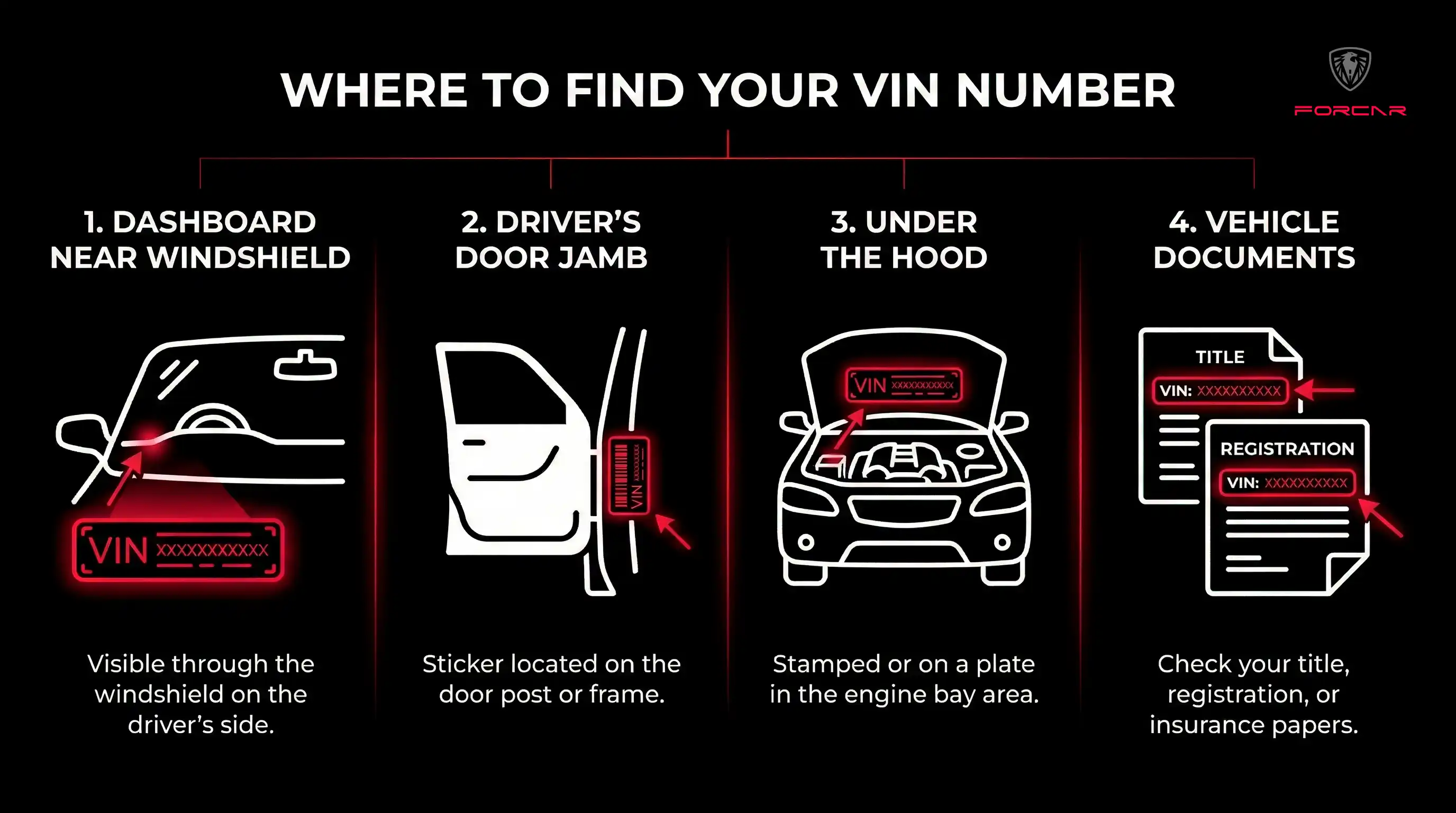
To check for recalls on your 2021 LINCOLN Aviator, you'll need the VIN number. Find your VIN in one of these 4 common locations.
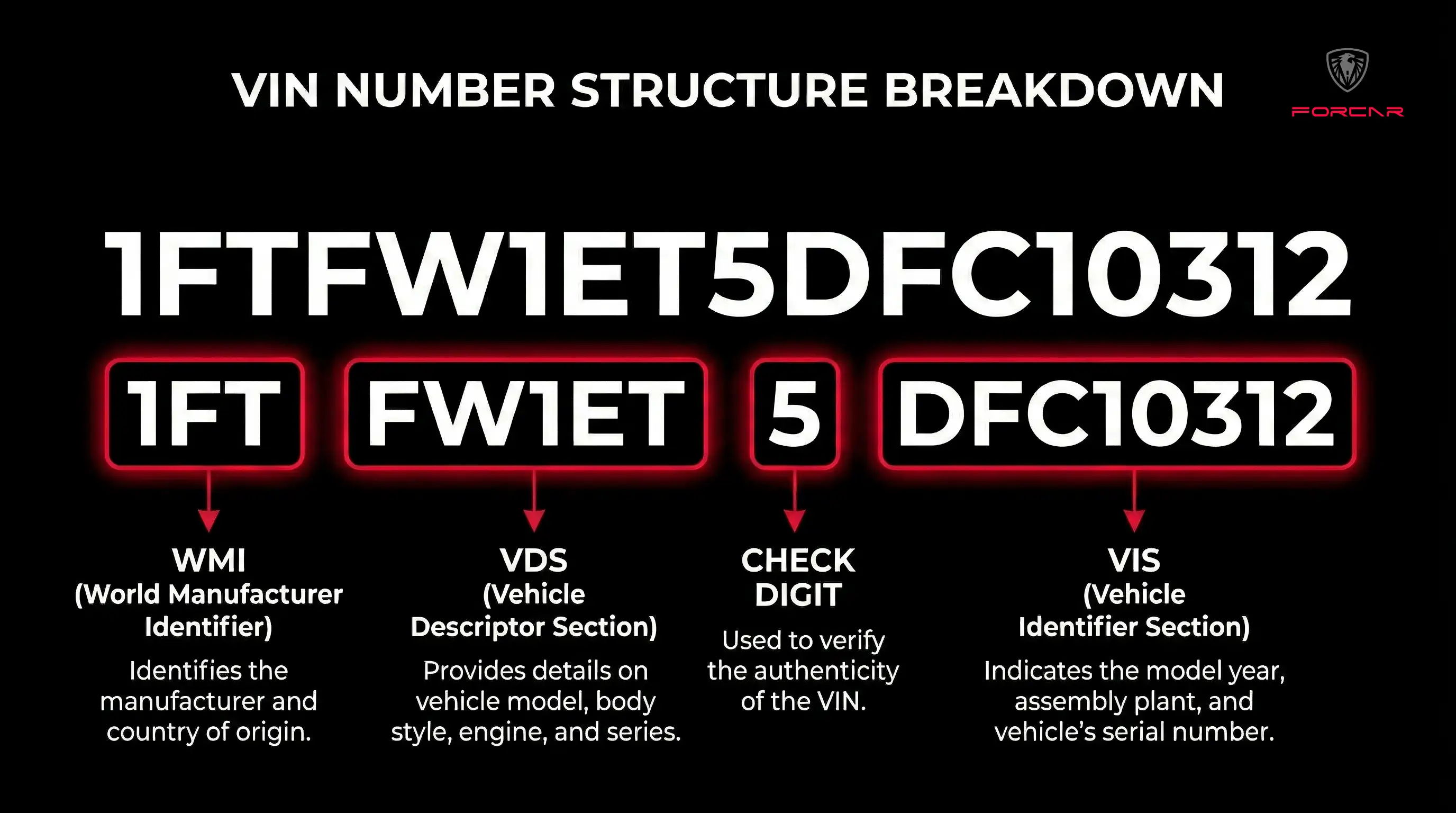
Understanding VIN Structure for Recall Verification
Each character in your 2021 LINCOLN Aviator 17-digit VIN helps identify specific recalls affecting your vehicle. Learn how the VIN structure works for accurate recall lookup.
How to Check 2021 LINCOLN Aviator Recalls in 3 Steps
Locate Your VIN
Find the 17-character VIN on your 2021 LINCOLN Aviator dashboard (visible through windshield), door jamb, engine bay, or vehicle documents.
Enter VIN in Checker
Input your VIN into our free recall checker tool above to search NHTSA database for safety recalls, TSBs, and service campaigns specific to your vehicle.
Review & Schedule Repair
Check the recall details including affected components, consequences, and remedy. Contact your LINCOLN dealer to schedule free recall repair appointment.
Frequently Asked Questions
How many recalls does the 2021 LINCOLN Aviator have?
The 2021 LINCOLN Aviator currently has 23 recalls according to NHTSA records. All recall information is sourced directly from the National Highway Traffic Safety Administration database.
Are 2021 LINCOLN Aviator recalls free to fix?
Yes! All safety recalls for 2021 LINCOLN Aviator vehicles must be repaired free of charge by authorized dealers, regardless of vehicle age or mileage. Contact your local LINCOLN dealer to schedule a recall repair.
How do I check if my 2021 LINCOLN Aviator has open recalls?
You can check for open recalls by entering your VIN (Vehicle Identification Number) in our VIN decoder tool. The 17-character VIN can be found on your vehicle registration, insurance card, or on the driver's side dashboard visible through the windshield.
Where can I find my 2021 LINCOLN Aviator VIN number?
Your 2021 LINCOLN Aviator VIN is located in 4 places: (1) Dashboard near windshield on driver's side, (2) Driver's door jamb sticker, (3) Engine bay, (4) Vehicle registration and insurance documents.
What should I do if my 2021 LINCOLN Aviator has a recall?
Contact your nearest LINCOLN dealership immediately to schedule a free recall repair. Bring your vehicle registration or VIN number. All safety recalls must be fixed free of charge by the manufacturer, regardless of vehicle age or mileage.
Are NHTSA recalls mandatory to fix on 2021 LINCOLN Aviator?
While not legally required for vehicle owners to fix recalls, it's strongly recommended for safety. However, dealerships and manufacturers must offer free repairs for all official NHTSA recalls on 2021 LINCOLN Aviator vehicles.