
2015 PETERBILT 365 Recalls & Safety Issues
Official recalls, technical service bulletins (TSBs), and safety issues from the National Highway Traffic Safety Administration (NHTSA).
VIN Decoder
As an Amazon Associate, ForCar.org earns from qualifying purchases.
All Recalls
PACCAR Incorporated (PACCAR) is recalling certain model year 2010-2016 Kenworth T440, T800, and W900 trucks manufactured August 31, 2009, to April 20, 2015, and 2008-2015 Peterbilt 320, 337, 348, 365, 382, and 384 trucks manufactured July 27, 2007, to April 28, 2015, and equipped with certain Cummins Westport ISL G engines. Excessive engine crankcase pressures may cause the 90-degree elbow of the vent tube assembly to detach from the crankcase ventilation breather, possibly allowing engine oil to come into contact with hot surfaces.
NHTSA 15V309000PACCAR Incorporated (PACCAR) is recalling certain model year 2015 Kenworth K270, T270, K370, T370, T440, T470, and W900 chassis manufactured May 13, 2014, to July 23, 2014, and certain model year 2015 Peterbilt 210, 220, 320, 325, 330, 337, 348, 365, 382, 384, and 567 chassis manufactured May 8, 2014, to July 22, 2014. The Cummins ISB or ISL engines in these vehicles may have been equipped with Fleetguard UFF-XT fuel filters, part number FF63009, whose filter shell may separate from the fuel filter nut plate causing the engine to stall without warning.
NHTSA 14V486000PACCAR Incorporated (PACCAR) is recalling certain model year 2015-2016 Peterbilt 365 and 367 vehicles manufactured from August 27, 2014, through June 5, 2015, and equipped with drive axles manufactured by Marmon-Herrington. The affected axles have hex nuts on the flange yoke that may not have been properly tightened.
NHTSA 16V066000PACCAR Incorporated (PACCAR) is recalling certain model year 2009-2015 Peterbilt 320, 365, 367, 388, and 389 trucks manufactured July 21, 2008, to February 28, 2014. The front axle tie rod end clamp bolts may be improperly torqued.
NHTSA 15V108000PACCAR Incorporated (PACCAR) is recalling certain model year 2010-2015 Peterbilt 579, 388, 384, 367, 365, 348, and 337 trucks manufactured October 30, 2009, through May 21, 2014. In the affected vehicles, if power is interrupted to the seat electronic control unit (ECU), such as when the fuse for that circuit blows, the side air bag would be disabled but there will not be a warning lamp indicator to notify the operator of the malfunction.
NHTSA 14V283000PACCAR Incorporated (PACCAR) is recalling certain model year 2012-2016 Peterbilt 365, 367, 384, 386, 388, 389, 567, 579, and 587 trucks manufactured January 13, 2011, to April 20, 2015. The affected trucks, equipped with extended-body Leece Neville alternators, have alternator charge cables that may chafe against a formed metal freon discharge line.
NHTSA 15V456000PACCAR Inc, is recalling certain model year 2014-2015 Kenworth T440, T660, T800, and W900 tractor trailers manufactured January 23, 2013, through February 4, 2014, and certain model year 2014-2015 Peterbilt 320, 365, 382, 384 tractor trailers manufactured January 21, 2013, through February 5, 2014, and equipped with certain Cummins Westport Model ISL G and ISX12 G engines. Condensation in the intake manifold may freeze during cold weather conditions and interfere with the proper operation of the intake manifold pressure sensor.
NHTSA 14V086000PACCAR Incorporated (PACCAR) is recalling certain model year 2009-2010 Peterbilt 340, 2010, 2012, and 2015-2016 Peterbilt 337, 2010 Peterbilt 335, 2011-2016 Peterbilt 348, 2009 and 2011-2016 Peterbilt 365, 2009 and 2012-2013 Peterbilt 386, 2009-2015 Peterbilt 388, 2015-2016 Peterbilt 389, and 2015 Peterbilt 567 auto hauler vehicles. The affected trucks are equipped with Michelin 295/60R22.5 XZA-2 front tires that have a speed rating less than the vehicle is governed to.
NHTSA 15V740000PACCAR Incorporated (PACCAR) is recalling certain model year 2006-2016 Peterbilt 587, 579, 567, 389, 388, 387, 385, 382, 379, 378, 367, 365 and 357 trucks manufactured July 25, 2005, to February 26, 2016. The affected vehicles may be equipped with Tire and Rim Certification Labels that list a tire pressure below the actual correct amount. As such, these vehicles fail to comply with the requirements of Federal Motor Vehicle Safety Standard No. 120, "Tire selection and rims and motor home/recreation vehicle trailer load carrying capacity information for motor vehicles with a GVWR of more than 4,536 kilograms (10,000 pounds)."
NHTSA 15V132000PACCAR Incorporated (PACCAR) is recalling certain 2015-2020 Peterbilt 365, 389, 567, and 579 vehicles equipped with a left-hand under hood jumper terminal (option code 2539410). The positive battery jumper terminal cable may be too long, allowing it to chafe against the left front suspension spring and result in an electrical short circuit.
NHTSA 20V130000PACCAR Incorporated (PACCAR) is recalling certain 2008-2019 Peterbilt 330, 335, 337, 340, 348, 365, 367, 384, 386, 387, 388, 389, 567, 579 and 587 vehicles and 2008-2020 Kenworth T170, T270, T370, T660, T680, T800, T880, and W900 vehicles equipped with NAMUX Software. In the event that the Anti-lock Brake System (ABS) loses battery and/or ignition power to the controller, the dash warning light for the ABS may not illuminate to warn the driver of the loss of ABS. As such, these vehicles fail to comply with the requirements of Federal Motor Vehicle Safety Standard (FMVSS) number 121, "Air Brake Systems," and 136, "Electronic Stability Control System on Heavy Vehicles."
NHTSA 20V199000Where to Find VIN for Recall Check
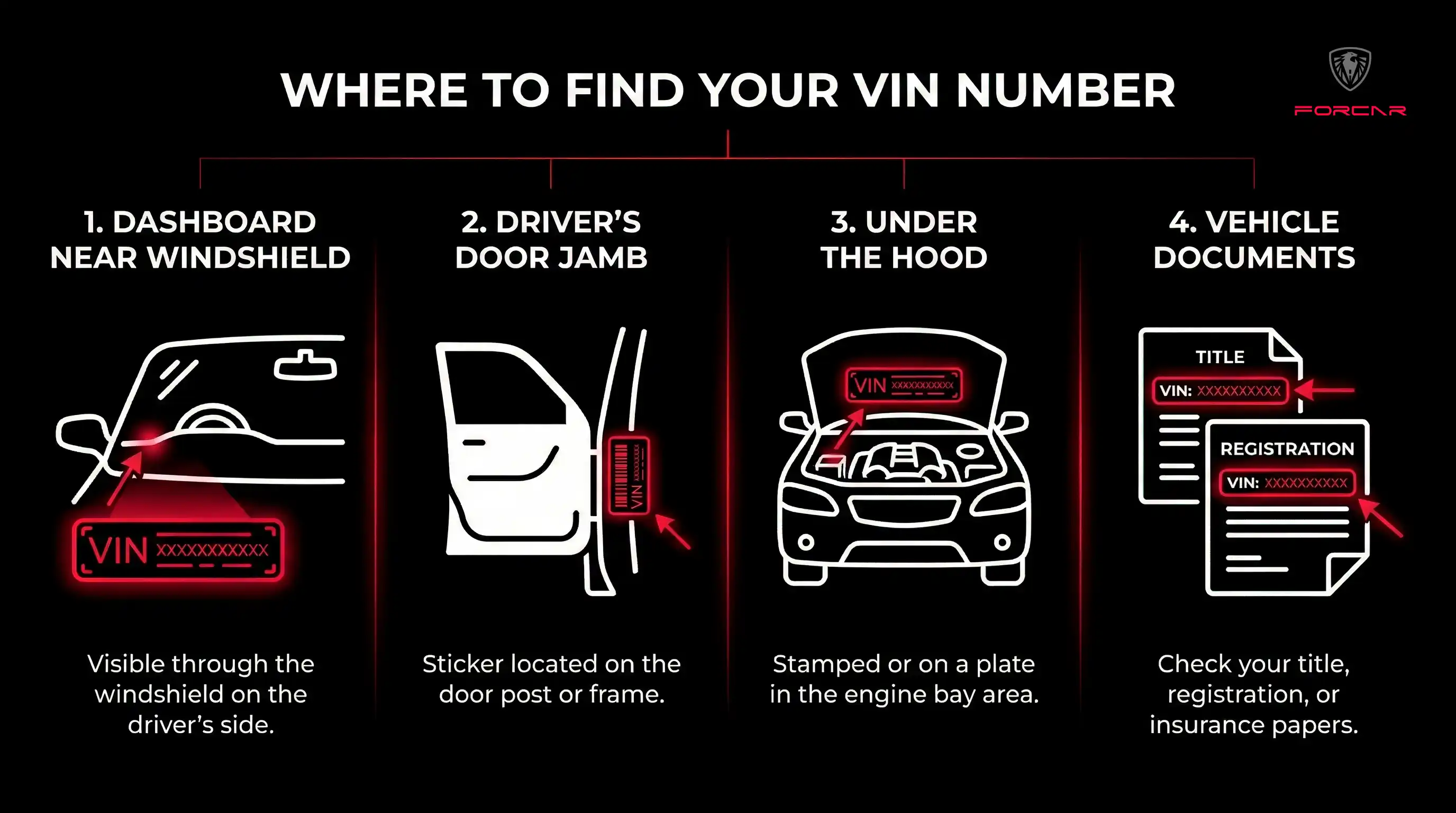
To check for recalls on your 2015 PETERBILT 365, you'll need the VIN number. Find your VIN in one of these 4 common locations.
Understanding VIN Structure for Recall Verification
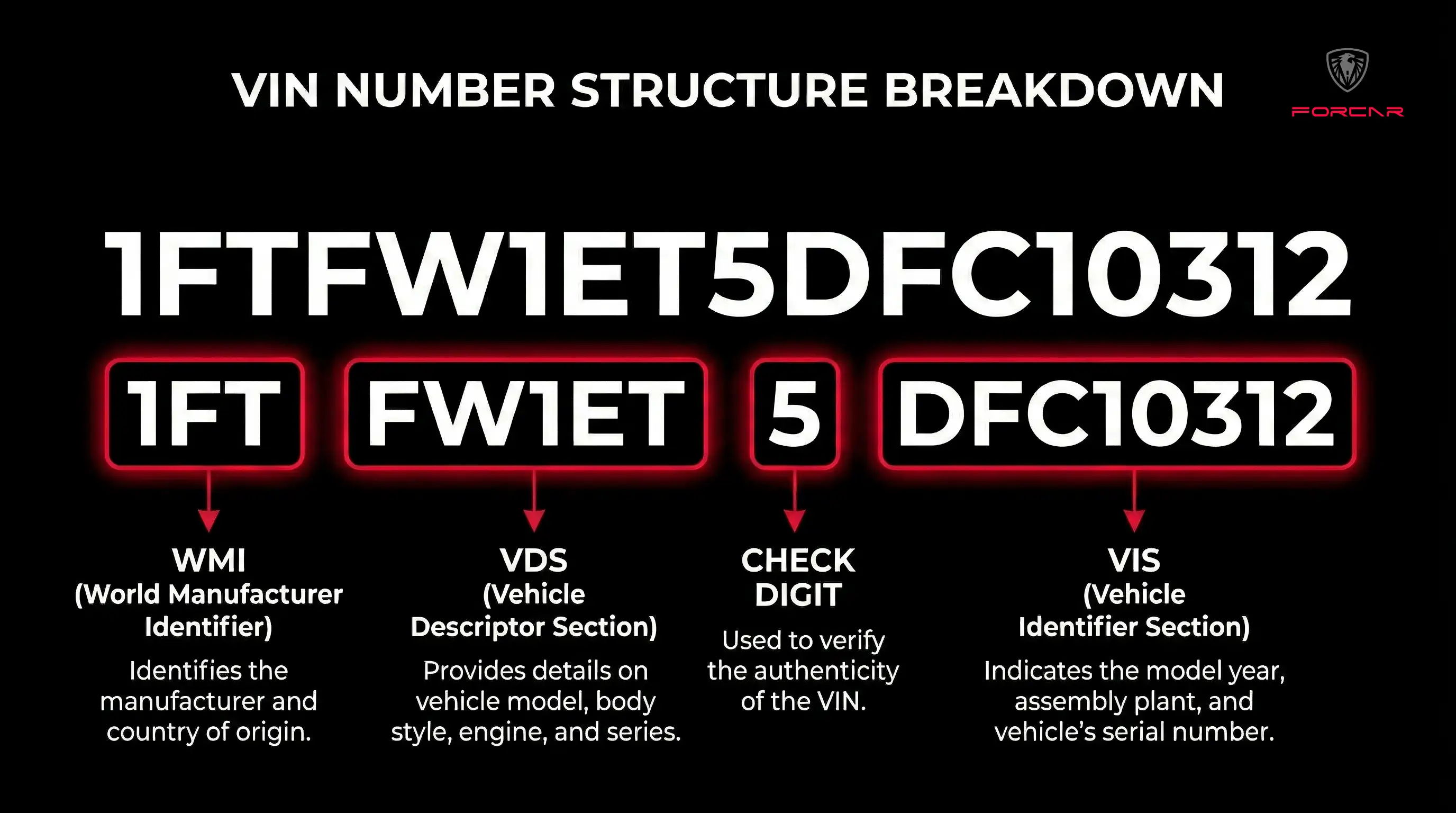
Each character in your 2015 PETERBILT 365 17-digit VIN helps identify specific recalls affecting your vehicle. Learn how the VIN structure works for accurate recall lookup.
How to Check 2015 PETERBILT 365 Recalls in 3 Steps
Locate Your VIN
Find the 17-character VIN on your 2015 PETERBILT 365 dashboard (visible through windshield), door jamb, engine bay, or vehicle documents.
Enter VIN in Checker
Input your VIN into our free recall checker tool above to search NHTSA database for safety recalls, TSBs, and service campaigns specific to your vehicle.
Review & Schedule Repair
Check the recall details including affected components, consequences, and remedy. Contact your PETERBILT dealer to schedule free recall repair appointment.
Frequently Asked Questions
How many recalls does the 2015 PETERBILT 365 have?
The 2015 PETERBILT 365 currently has 11 recalls according to NHTSA records. All recall information is sourced directly from the National Highway Traffic Safety Administration database.
Are 2015 PETERBILT 365 recalls free to fix?
Yes! All safety recalls for 2015 PETERBILT 365 vehicles must be repaired free of charge by authorized dealers, regardless of vehicle age or mileage. Contact your local PETERBILT dealer to schedule a recall repair.
How do I check if my 2015 PETERBILT 365 has open recalls?
You can check for open recalls by entering your VIN (Vehicle Identification Number) in our VIN decoder tool. The 17-character VIN can be found on your vehicle registration, insurance card, or on the driver's side dashboard visible through the windshield.
Where can I find my 2015 PETERBILT 365 VIN number?
Your 2015 PETERBILT 365 VIN is located in 4 places: (1) Dashboard near windshield on driver's side, (2) Driver's door jamb sticker, (3) Engine bay, (4) Vehicle registration and insurance documents.
What should I do if my 2015 PETERBILT 365 has a recall?
Contact your nearest PETERBILT dealership immediately to schedule a free recall repair. Bring your vehicle registration or VIN number. All safety recalls must be fixed free of charge by the manufacturer, regardless of vehicle age or mileage.
Are NHTSA recalls mandatory to fix on 2015 PETERBILT 365?
While not legally required for vehicle owners to fix recalls, it's strongly recommended for safety. However, dealerships and manufacturers must offer free repairs for all official NHTSA recalls on 2015 PETERBILT 365 vehicles.