
2025 LINCOLN Aviator Recalls & Safety Issues
Official recalls, technical service bulletins (TSBs), and safety issues from the National Highway Traffic Safety Administration (NHTSA).
VIN Decoder
As an Amazon Associate, ForCar.org earns from qualifying purchases.
All Recalls
Ford Motor Company (Ford) is recalling certain 2025 Explorer and Lincoln Aviator vehicles. The rearview camera image may fail when the vehicle speed reaches 10 MPH or greater. As such, these vehicles fail to comply with the requirements of Federal Motor Vehicle Safety Standard number 111, "Rear Visibility."
NHTSA 24V801000Ford Motor Company (Ford) is recalling certain 2020-2025 Explorer, Lincoln Aviator, 2020-2024 Escape, Lincoln Corsair, 2018-2024 F-150, Expedition and Lincoln Navigator vehicles. The air bag warning label may be missing from the dashboard. As such, these vehicles fail to comply with the requirement Federal Motor Vehicle Safety Standard number 208, "Occupant Crash Protection."
NHTSA 24V852000Ford Motor Company (Ford) is recalling certain 2025 Ford Explorer and Lincoln Aviator vehicles. The transmission may be improperly secured due to loose cross member bolts.
NHTSA 25V020000Ford Motor Company (Ford) is recalling certain 2024-2025 F-150, Bronco, 2024 Ranger, 2025 Mustang, Explorer, and Aviator vehicles. The transmission valve body may have been machined incorrectly, which can cause reverse gear failure, or unexpected forward movement in reverse or neutral gear.
NHTSA 25V164000Ford Motor Company (Ford) is recalling certain 2025 Explorer and Aviator vehicles. A mounting bolt for the front subframe may have been tightened improperly.
NHTSA 25V316000Ford Motor Company (Ford) is recalling certain 2020-2025 Aviator, and Explorer vehicles. The switch for the easy-entry second-row outer seats may bind or stick, resulting in the seats unlatching, folding, or sliding unexpectedly while driving.
NHTSA 25V393000Ford Motor Company (Ford) is recalling certain 2020-2025 Aviator vehicles. The rear door window bars and C-pillar trim may have insufficient adhesive bonding, which can allow the trim to detach from the vehicle.
NHTSA 25V407000Ford Motor Company (Ford) is recalling certain 2025 Lincoln Aviator vehicles. When closing the windows with the global closing feature, the side rear windows may exert excessive force when encountering an object, before they automatically reverse. As such, these vehicles fail to comply with the requirements of Federal Motor Vehicle Safety Standard (FMVSS) number 118, "Power-Operated Window Systems."
NHTSA 25V484000Ford Motor Company (Ford) is recalling certain 2025 Explorer and Aviator vehicles. When towing a trailer, the tail lights on the trailer may fail to illuminate due to an improperly manufactured body control module. As such, these vehicles fail to comply with the requirements of Federal Motor Vehicle Safety Standard number 108, " Lamps, Reflective Devices, and Associated Equipment."
NHTSA 25V543000Ford Motor Company (Ford) is recalling certain 2024-2026 Explorer and 2024-2026 Lincoln Aviator vehicles. The trailer hitch assembly bolts may be loose.
NHTSA 25V687000Ford Motor Company (Ford) is recalling certain 2025-2026 Lincoln Corsair, Lincoln Aviator, and Explorer vehicles. The windshield glass may have visible air bubbles, which can obscure the driver's visibility. As such, these vehicles fail to comply with the requirements of Federal Motor Vehicle Safety Standard number 205, "Glazing Materials."
NHTSA 25V730000Where to Find VIN for Recall Check
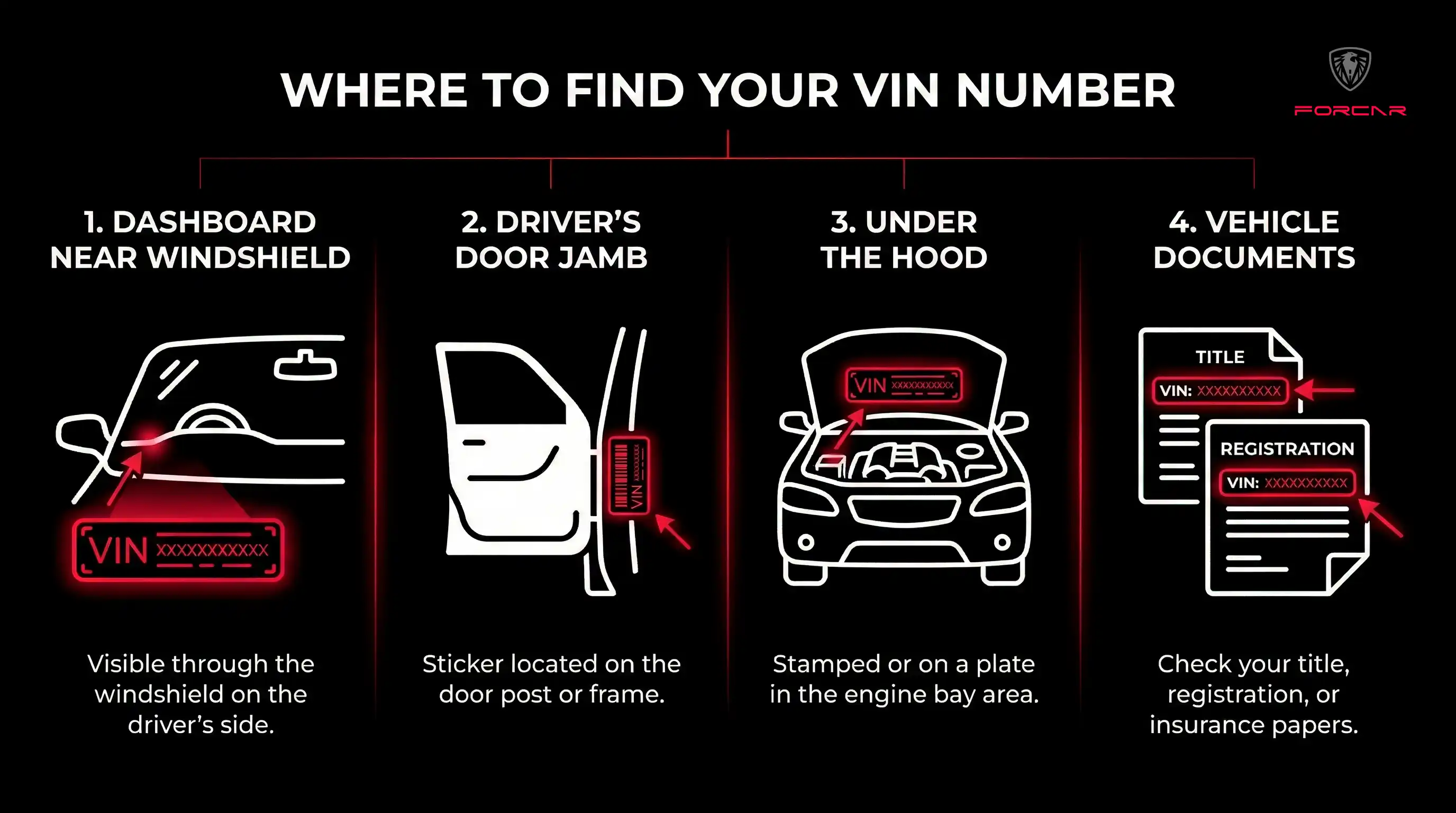
To check for recalls on your 2025 LINCOLN Aviator, you'll need the VIN number. Find your VIN in one of these 4 common locations.
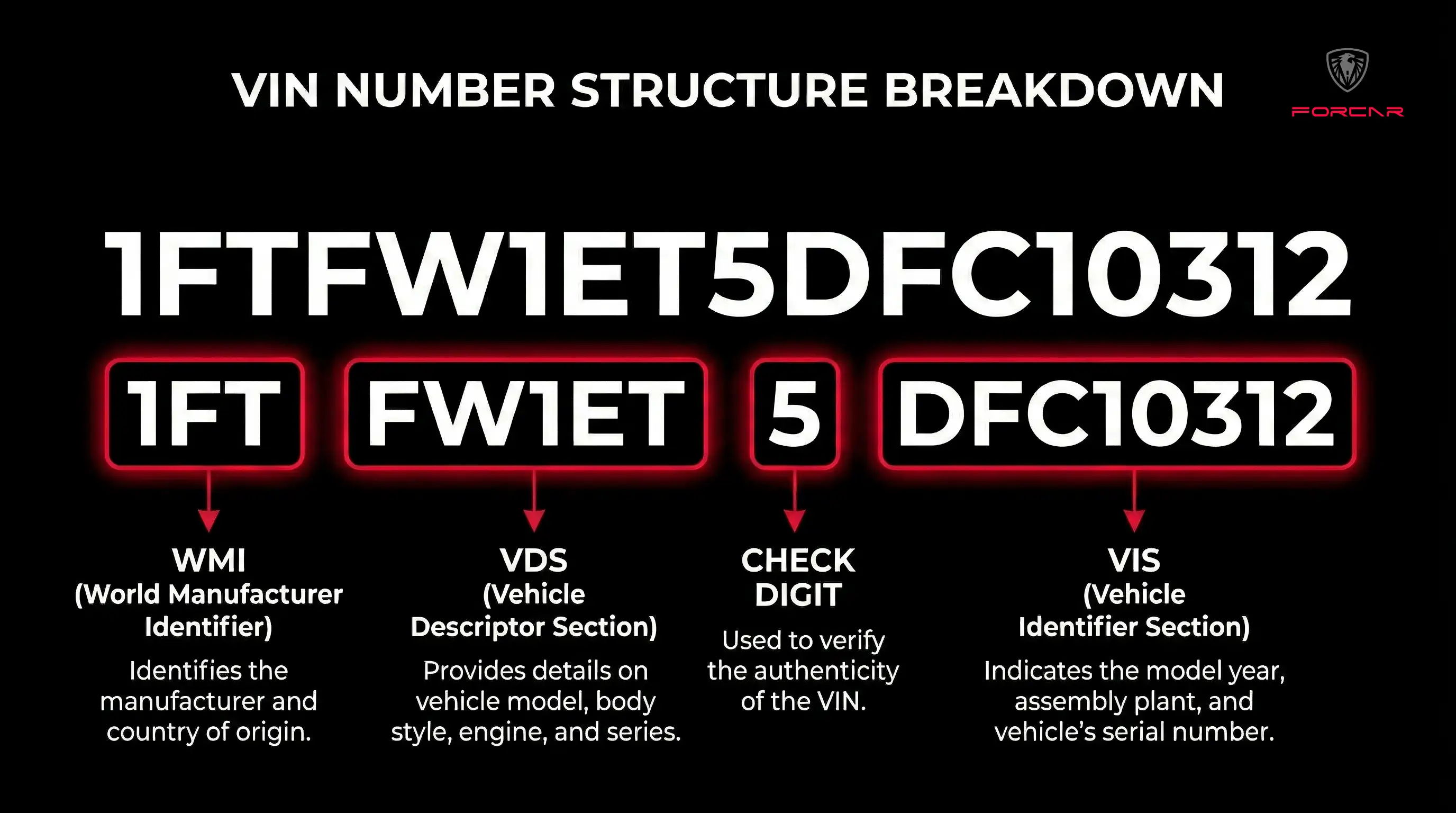
Understanding VIN Structure for Recall Verification
Each character in your 2025 LINCOLN Aviator 17-digit VIN helps identify specific recalls affecting your vehicle. Learn how the VIN structure works for accurate recall lookup.
How to Check 2025 LINCOLN Aviator Recalls in 3 Steps
Locate Your VIN
Find the 17-character VIN on your 2025 LINCOLN Aviator dashboard (visible through windshield), door jamb, engine bay, or vehicle documents.
Enter VIN in Checker
Input your VIN into our free recall checker tool above to search NHTSA database for safety recalls, TSBs, and service campaigns specific to your vehicle.
Review & Schedule Repair
Check the recall details including affected components, consequences, and remedy. Contact your LINCOLN dealer to schedule free recall repair appointment.
Frequently Asked Questions
How many recalls does the 2025 LINCOLN Aviator have?
The 2025 LINCOLN Aviator currently has 11 recalls according to NHTSA records. All recall information is sourced directly from the National Highway Traffic Safety Administration database.
Are 2025 LINCOLN Aviator recalls free to fix?
Yes! All safety recalls for 2025 LINCOLN Aviator vehicles must be repaired free of charge by authorized dealers, regardless of vehicle age or mileage. Contact your local LINCOLN dealer to schedule a recall repair.
How do I check if my 2025 LINCOLN Aviator has open recalls?
You can check for open recalls by entering your VIN (Vehicle Identification Number) in our VIN decoder tool. The 17-character VIN can be found on your vehicle registration, insurance card, or on the driver's side dashboard visible through the windshield.
Where can I find my 2025 LINCOLN Aviator VIN number?
Your 2025 LINCOLN Aviator VIN is located in 4 places: (1) Dashboard near windshield on driver's side, (2) Driver's door jamb sticker, (3) Engine bay, (4) Vehicle registration and insurance documents.
What should I do if my 2025 LINCOLN Aviator has a recall?
Contact your nearest LINCOLN dealership immediately to schedule a free recall repair. Bring your vehicle registration or VIN number. All safety recalls must be fixed free of charge by the manufacturer, regardless of vehicle age or mileage.
Are NHTSA recalls mandatory to fix on 2025 LINCOLN Aviator?
While not legally required for vehicle owners to fix recalls, it's strongly recommended for safety. However, dealerships and manufacturers must offer free repairs for all official NHTSA recalls on 2025 LINCOLN Aviator vehicles.